
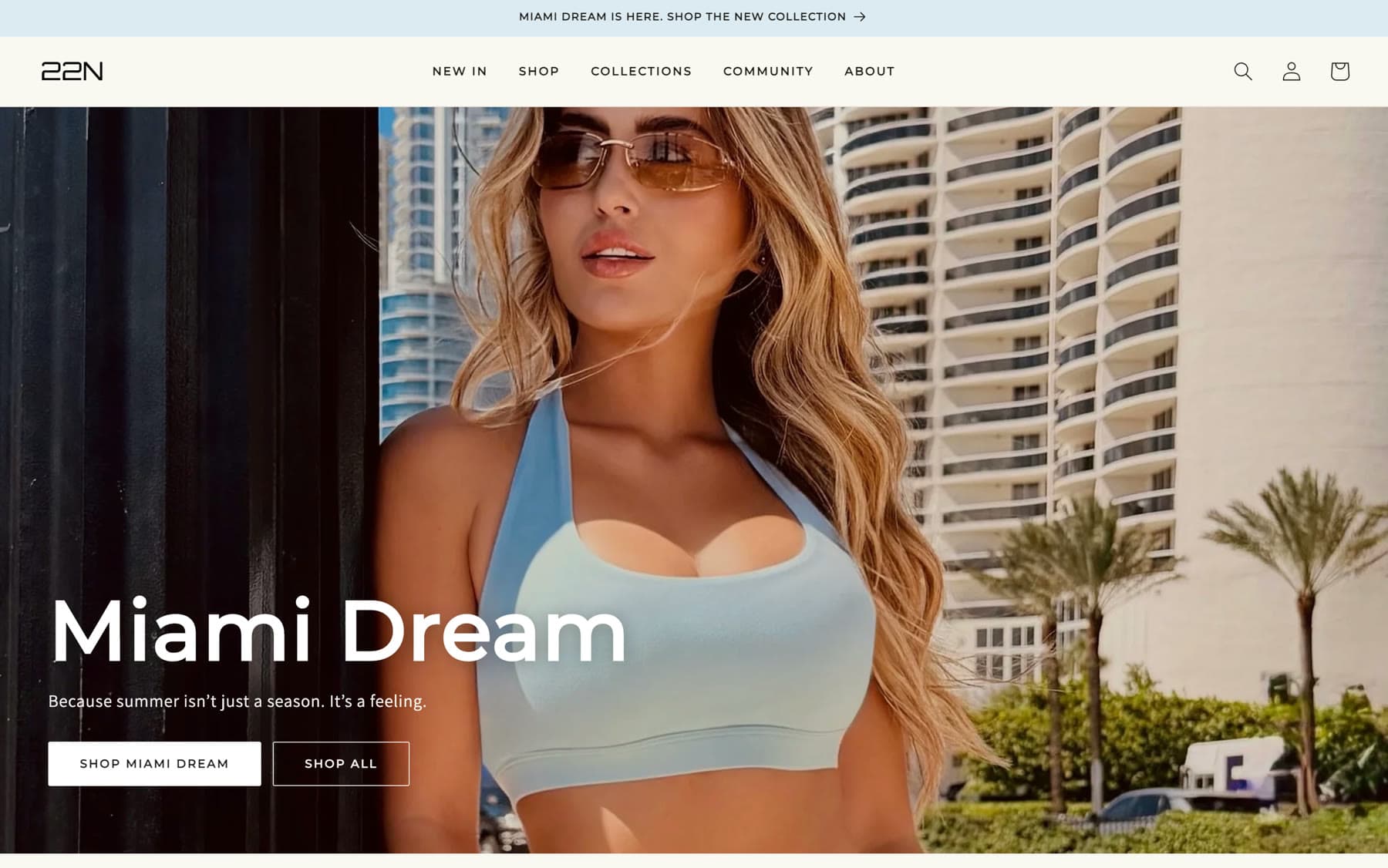
Apparel · Shopify
22 natiON
Rebuild
Ground-up
Shopify
Custom build
Mobile-first
Storefront
A ground-up Shopify rebuild for a premium activewear brand.
Service · CRM Systems
Most CRM implementations stall at 'we have a HubSpot account.' We set up and run the whole thing: implementation, segmentation, automation, and email programs that keep paying back long after the acquisition cost is covered.
Outcomes
Targets, not promises — the metrics every engagement is measured against. Real numbers from real clients live in the case studies below.
+15–35%
Target lift in repeat revenue
20–40%
Email program contribution to revenue
100%
Customer base segmented
Quarterly
Lifecycle cohort review
Who it's for
CRM pays back when there's a customer base worth segmenting and a repeat-purchase or expansion motion. The clients who benefit most:
Ideal clients
Industries
Stages
Methodology
CRM as a revenue system, not a contact database. Four stages:
We audit the existing setup (properties, lists, automations, email program, integrations) and design the architecture for the next 12 months. What stays, what gets retired, what needs rebuilding.
Migration to (or refactor inside) HubSpot, Salesforce, Klaviyo, Attio, or Close, chosen by fit rather than vendor preference. Data is cleaned, properties are documented, integrations are wired.
Welcome flows, post-purchase journeys, reactivation, win-back, expansion sequences. Each program is mapped to a moment in the customer lifecycle, not a marketing calendar holiday.
A weekly send calendar, a monthly cohort review, and a quarterly architecture audit. The system stays clean as it scales. Most CRMs decay because nobody owns the maintenance.
What's included
What ships across a CRM systems engagement.
Property model, lifecycle stages, segmentation logic, integration map. How the CRM is supposed to work, in writing.
Setup, refactor, or migration across HubSpot, Salesforce, Klaviyo, Close, or Attio, depending on fit.
Welcome, onboarding, post-purchase, reactivation, win-back, and expansion, each as a documented program with metrics and an owner.
A standing send calendar with editorial direction, scheduled and written in your brand voice. Ongoing, not a one-time deliverable.
Dashboards on lifecycle KPIs, list health, deliverability, and program contribution, visible to leadership without a manual export.
Where AI changes the math
CRM is where AI quietly does the most work, when it's pointed at the right problems.
Segmentation trained on transactional and behavioral data, predicting churn risk, second-purchase likelihood, and expansion readiness. Each segment ties to a specific lifecycle program.
Cohort-level send-time learning, subject-line testing, and content variant generation under brand-voice constraints. A writer approves before send.
First drafts of campaigns, journeys, and one-offs are generated in your documented voice, then edited by a human. The throughput is what makes a real lifecycle program possible.
Frequently asked
Related services
01
Qualified, sales-ready inbound. Paid acquisition, landing pages, scoring, and CRM handoff designed as one machine.
02
Automations that compress weeks of manual work into hours, across marketing, sales, and reporting.
03
Turn more of your traffic into customers. Landing pages, conversion testing, and tracking across the whole funnel.
Engage
Most engagements start with a 30-minute call. We'll walk through your goals, your numbers, and what the first 90 days should look like.